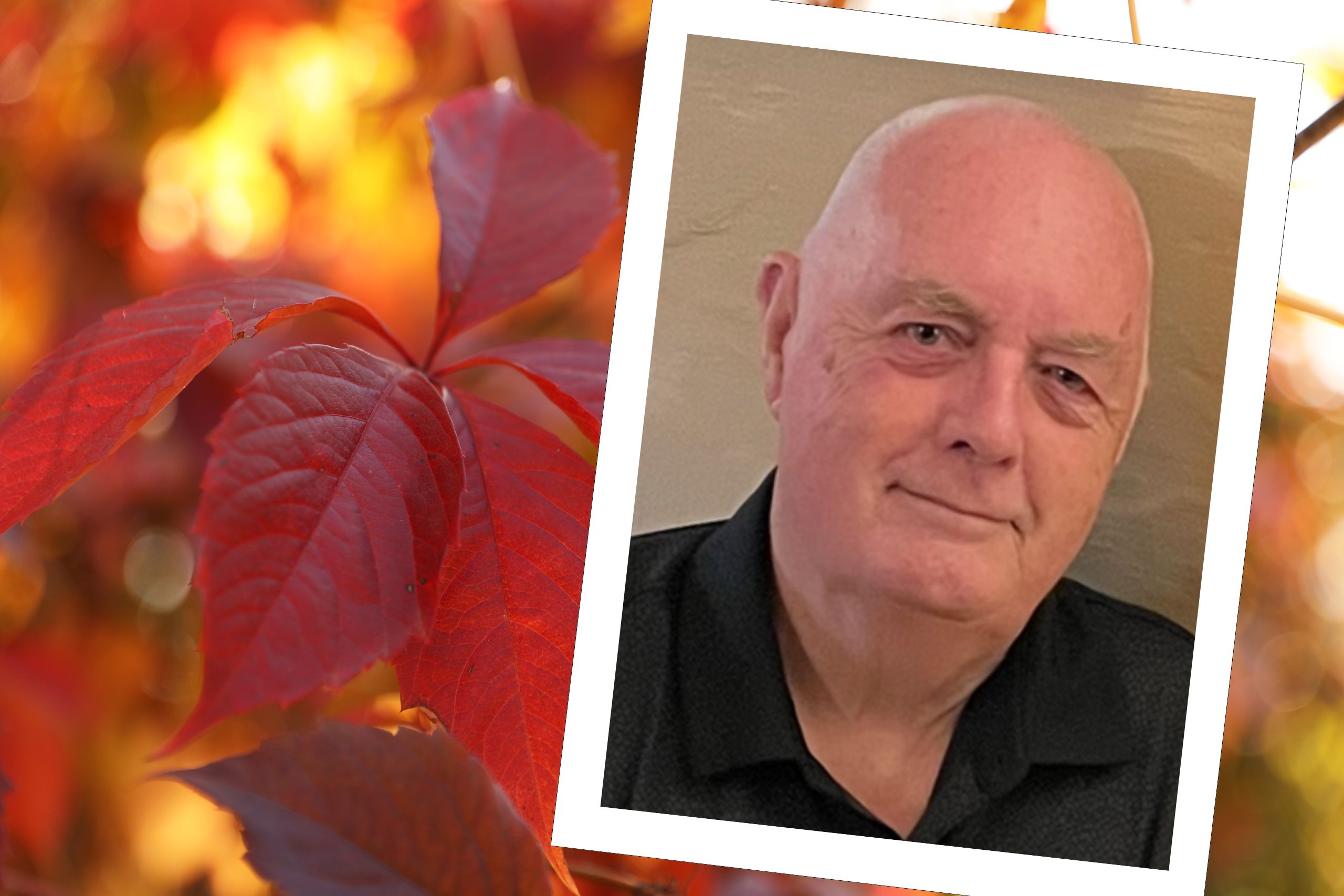
by Tony Kirkbank
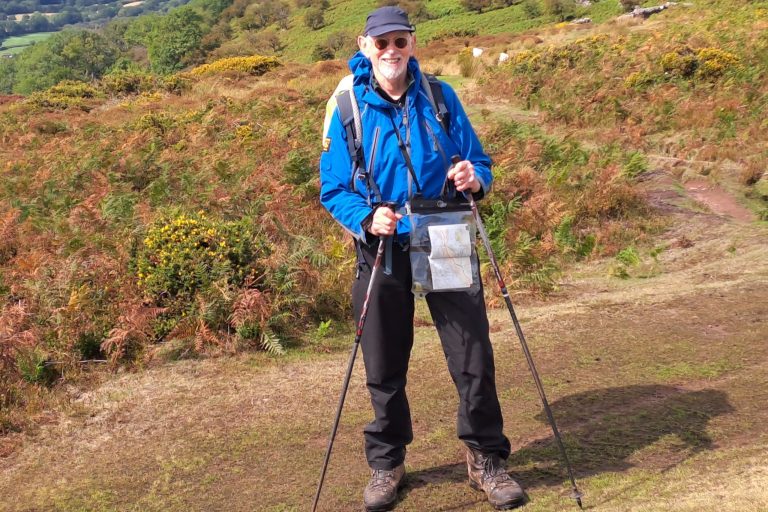
My name is Tony and I’ve been happily married to Diane for more than 60 years. We live in Canterbury and have two daughters and three grandchildren. At 82, I’m still fit and active, but I know how it feels to have your life interrupted due to serious illness, and I can still remember how it felt when I suddenly noticed blood in my urine back in 2000.
I was a police officer for 30 years, retiring in 1992, before becoming a self-employed insurance claims investigator, working from home. It was a successful venture, brought abruptly into doubt by the sight of that blood. Doctors told me it was ‘probably only polyps’, and their advice was to ‘wait and see’. That Christmas, I was unable to pass any urine at all and, finally, the medics decided to act.
Appointments and examinations eventually revealed that I had advanced bladder cancer. The situation was so serious that I needed to have my bladder removed, and the operation went ahead in April 2001, some six months after the unusual bleeding had started. I sometimes wonder if, had I been more forceful with my local GP surgery, an examination early on might have caught the cancer sooner, avoiding the need for such drastic action.
Six months on
Six months from spotting such a worrying sign to eventually having the life-saving surgery I needed seemed like an inordinate amount of time to have to wait, but at least the wheels turned and the scale of my problem was finally revealed. My hope is that, these days, things move quicker for people needing to get a diagnosis and treatment. It’s not only patients who go through anxiety and sleepless nights – it’s often the family members around them too.
Now, the good bit. I had a fantastic urology consultant who successfully completed the operation to remove my bladder, prostate, appendix and infected lymph glands. He fashioned a stoma in the requested spot on my abdomen, and I underwent four months of chemotherapy. Having chemo after the operation is unusual now, as surgeons prefer to shrink tumours before operating as a last resort, but in my case, the regime worked satisfactorily and, to date, I have been cancer-free.
New start with a stoma
I thus commenced a new life with a urostomy. There was plenty of assistance from an excellent stoma team at East Kent Hospitals. The availability of suppliers and products was made known to me, and I sought out contacts with first-hand knowledge of living with a stoma.
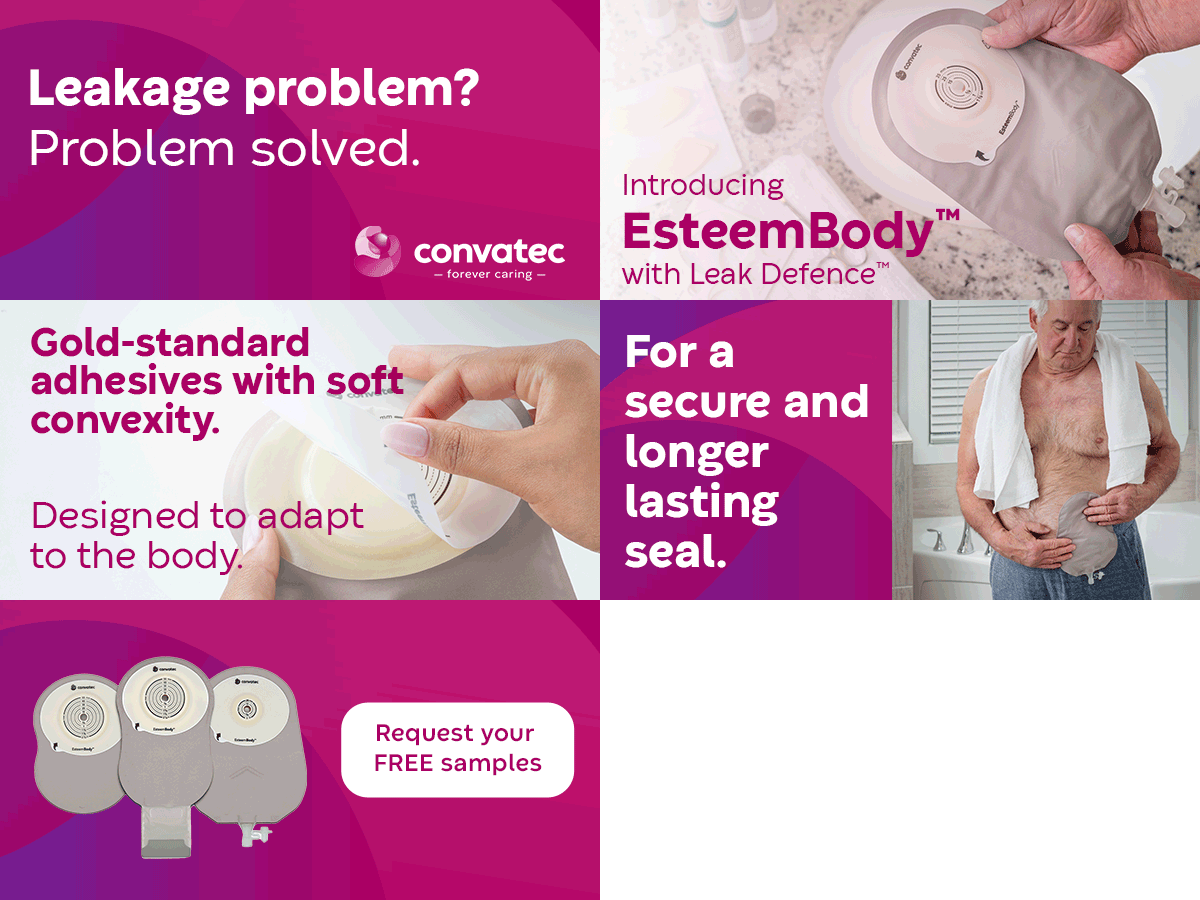
The first ‘hardware’ attached to my body was a two-piece stoma bag where the adhesive area was fixed to my abdominal skin and a new bag was fitted to the circular flange each day. The adhesive part was changed weekly, or earlier if it failed! The problem was that when bending down, the joint popped away from the flange. But I soon discovered the one-piece bag and, after many years of trials, have settled on one that I can trust better than most.
Work and volunteering
A few months into my recovery, I resumed my work as an investigator within the automotive world. I also began taking an interest in hospital volunteering, within the area of urology support. I was invited to serve as a patient advisor on medical administrative committees, such as that related to the national computerisation of patient records, which was creating a lot of discussion.
Also as a volunteer, I got involved with Action on Bladder Cancer (now Action Bladder Cancer UK) and became a trustee. This led to invitations to serve as a patient representative on cancer-related clinical trials, which in turn led to the opportunity to go to Westminster and speak to interested MPs about post-operative costs. In other words, the huge cost to the NHS of stoma products, such as bags, adhesives and wipes, for thousands of ostomates, some of which could perhaps be avoided if patients received their diagnosis – and hence, treatment – sooner. Bladder removal had left me with total reliance on all manner of expensive hardware. Following my talk at Westminster, I was invited to Brussels to give my presentation to MEPs.
All of this greatly increased my interest in cancer medicine, and gave me the opportunity to meet many leading figures involved in pioneering research and treatments at centres across the UK.
After my own experience of cancer, it felt good to be doing something positive for people facing their own challenges with the disease. I also try to do my bit for those who, like me, have recovered and are living with a urostomy. Since my operation, I have had the chance to speak at stoma-related groups and social organisations locally.
I was also cajoled into writing, and self-publishing, a book covering my first 15 years in the Kent police force. ‘A Uniformed Response’ was published in 2012, and then – as now – I donate my book royalties to the Urostomy Association. It’s my way of showing support for the charity, which does so much to reassure and support those having to adjust to urostomy life.
Living life to the full
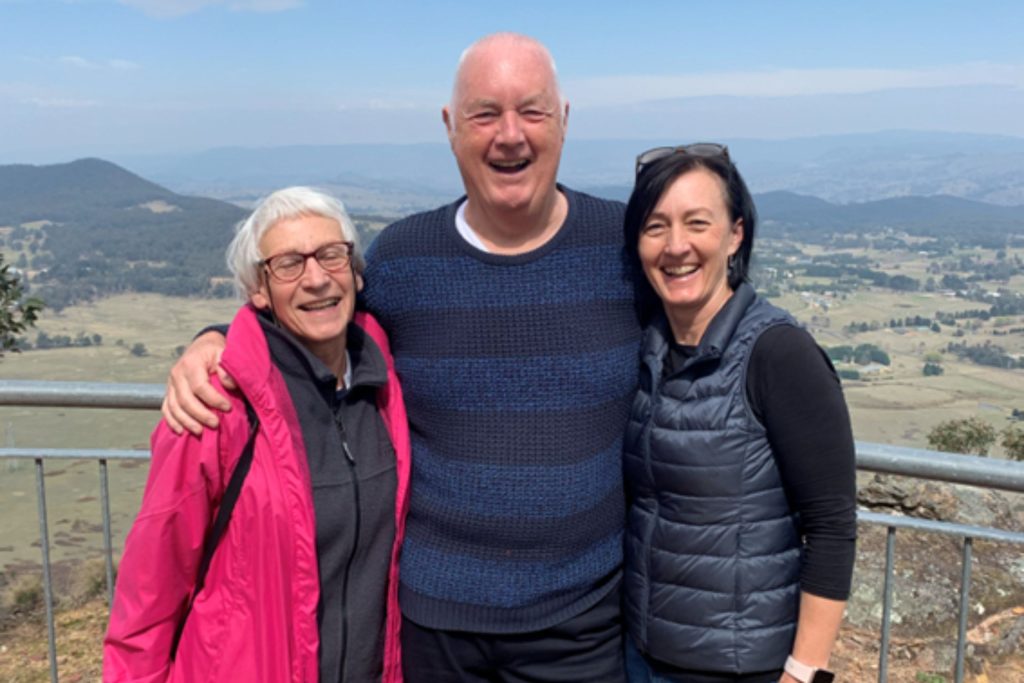
Our eldest daughter emigrated to Australia in 1998, and Diane and I have had several opportunities to visit both her and other relations ‘down under’. Such trips need a bit more careful planning as a urostomate, but I have found the Australian medical services remarkably kind and efficient when, on rare occasions, I have needed their help. In fact, I have rarely experienced any difficulties when travelling abroad.
I’m not ashamed of my ‘bump’ – after all, my urostomy saved my life! I’m a keen bowler and enjoy my days like anyone else. Having to consider bag-related matters is just part of my routine. Of course, I do have occasional stoma-related blips, but I take them in my stride.
My latest innovation is to always have a night bag under the driver’s seat in case the M25 comes to a complete standstill for too long. It saves worrying about when the next chance to ‘empty’ will be.
Is my life any worse because of bladder cancer? No, not really, and from my story I hope you can tell that I don’t let my urostomy hold me back. There are times when I must take more care, which is sensible, but generally, life is good!