We know that hospital care for urostomy patients can vary considerably, depending on where you live. From the number of specialist nurses available to the quality of discharge planning and follow-up support, experiences can differ between regions, and even between hospitals within the same county.
This ‘postcode lottery’ can have a profound effect on patients’ health, confidence, and quality of life. So, when we heard that University Hospitals Coventry and Warwickshire (UHCW) is taking a particularly forward-thinking approach to improving outcomes for urostomy patients, we were keen to find out more.
Doing things differently
Lead Urology Nurse, Josh Hearne-Wilkins, told us: “Traditionally, UHCW’s urostomy patients were cared for by both stoma nurses and urology nurses. But then we began to feel that this patient group would benefit from more urological input from someone with the skills to teach them – while in hospital – about the practicalities of looking after their urostomy and adapting to a bag.
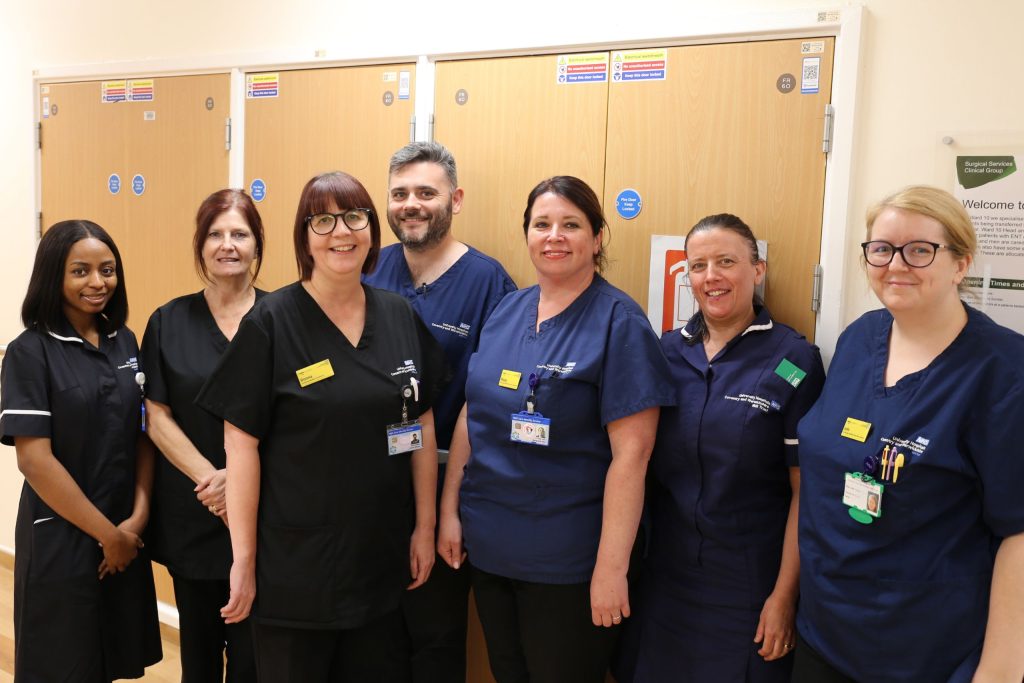
“Innovating to provide the best possible care and support, we introduced the new role of Urostomy Practitioner in May 2024. Sitting within the Urology team, and dedicated to the specific needs of urostomy patients, we believe this may be the first post of its kind within the UK.
And in Donna Wilson, who we recruited to the role, we have someone with not only relevant skills and experience, but the warmth and compassion to help patients feel as at ease as possible before and after their operation. This is so important, particularly given that many have already been through a really tough time, from diagnosis and invasive tests to chemotherapy.
“Listening to patients, answering their questions and liaising with the consultants and nurses, Donna is the ‘glue’ that helps ensure each patient’s care is properly joined up. Having her as their point of contact within the hospital, all the way through their stay, is making an important difference.
“Donna is the ‘glue’ that helps ensure each patient’s care is properly joined up. We are massively proud of her”
“Our surgeons have witnessed the rapport Donna builds with patients, and that when she is able to meet them before they have their operation, they are that much more relaxed about what’s to come. Consequently, surgeons are now organising their schedules to enable her to do this. It’s such a testament to Donna and we are massively proud of her.”
Donna and her role
Having worked in the NHS for 28 years – including in gastroenterology as well as urology – Donna is relishing her role in helping to make what can feel overwhelming more manageable for patients. She said: “Having a urostomy is lifesaving, but it is also life-changing and there’s a lot to get to grips with. That’s why I contact patients early, visiting them on the ward together with Urology Specialist Nurse Margo Reynolds. It’s a chance to introduce myself, get to know a bit about them and answer any questions that come up.
“I show them a urostomy bag so that they can see what one looks like and get a feel for it. I also let them know that I’ll make several further visits before they are discharged home. It’s about reassuring them that they’re not facing it all on their own, and that I’ll be there to teach them, step by step, how to look after their stoma and how to fit, empty and change their bag, with time for them to practise while in hospital.
“The next time I see them is after their surgery. It’s usually while they’re still on the critical care ward but feeling well enough for a short visit.
“I put their bag on for them and – briefly – talk through what I’m doing. I don’t want them to feel rushed, so it’s not until they’re on a regular ward that I go through how to remove the bag and clean their stoma with warm water. I also teach them how to cut their base plate to the right size and attach the bag. If their partner is there while I go through all of this, that’s great. It means they’re clued up if ever they need to provide some help with bag changes at home.
“During my next visits, I observe while the patient practises changing their bag. This is how they gradually gather more confidence about what they need to do and how to do it. I’m also there to advise about any issues, such as dealing with leakage and managing night-times, both common concerns.
“On average, I’ll see a patient five times in all. Once I’m confident that they’re managing well, I relay this to their consultant and the nurses. Then, providing the patient is medically fit, they’ll be discharged home.
Getting ready to go home
“I know going home can be a daunting prospect when you’re still in the early stages of recovery. That’s why I remind them that while it will be a district nurse who comes out to see them if they’re encountering any issues, it’s also fine for them to phone me with any queries or concerns.
“At the hospital, we stock the Urostomy Association’s patient pack full of useful information about what to expect during recovery, and tips to keep well. It’s good to know patients have got this to hand at home. We also let them know there are further resources available on the Association’s website, and make them aware of the one-to-one support the charity provides through its trained volunteers, who are urostomates themselves.
“Most patients find that their urostomy gives them back quality of life. It’s really rewarding knowing I’ve played a part in helping them adjust to the big changes they’ve gone through, and it’s always heartwarming when I hear that they’re back to getting on with their lives.”
Josh added: “Our goal is more seamless, holistic care that helps empower patients to self-manage and thrive, and even though it’s been less than two years since we introduced the Urostomy Practitioner role, we’re really encouraged by the results we’re seeing. We hope that hearing about our approach – and how it seems to be benefiting patients in terms of recovery, confidence and wellbeing – might inspire others to think more outside the box too.”