By Tia Castle
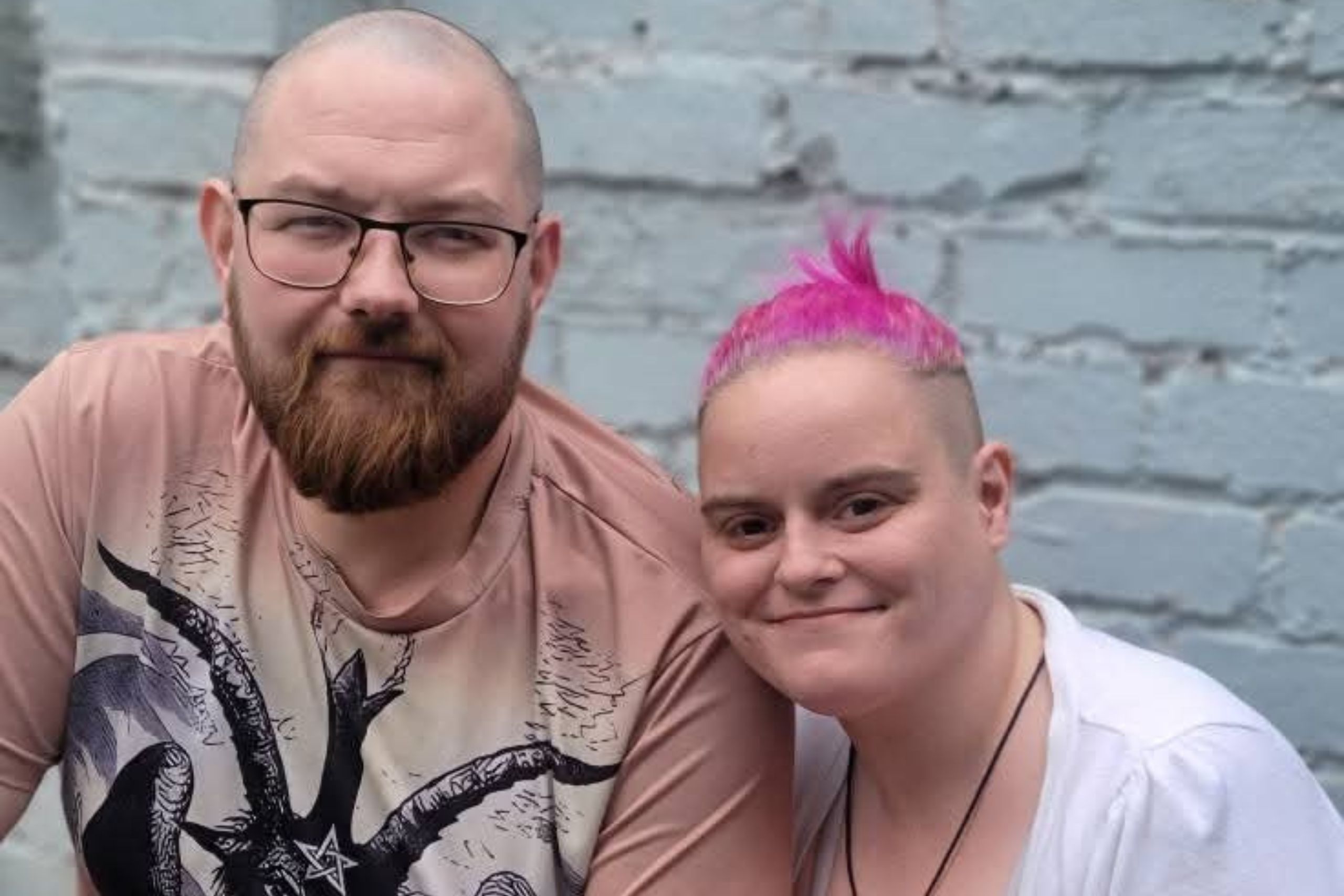
I’m 33 and live in Paisley in Scotland. My story of how I came to be living with a urostomy started at birth. Though I was born with bilateral kidney reflux, doctors didn’t pick up on this until I was three years old. I was in and out of hospital with recurrent urinary and kidney infections, but by the time they discovered the root of the problem, the damage had already been done – my right kidney was severely scarred.
I was only four when I had my first bladder surgery. It didn’t work as well as expected, which meant so much of my childhood was spent in hospital, being treated with intravenous antibiotics to help combat constant infections.
At 19, I was referred to a urologist because as well as even more frequent infections, I was experiencing a lot of back pain. They discovered that my right kidney was functioning at just 2 per cent, so it needed to come out before the damage began impacting my left one. I had a total right nephrectomy. Initially, it worked quite well, reducing the frequency of my infections, but within a year I was back to square one. It was incredibly upsetting and disheartening still being stuck in a vicious circle after so many years, while my friends got on with their lives.
Into retention
In 2015, I was admitted to hospital with urosepsis. While there, I was weeing frequently, but a bladder scan showed I was still retaining a large amount of urine. I’ll never forget the day I couldn’t urinate at all. By evening, I was in severe pain and extremely swollen. A scan showed my bladder was holding around 2 litres. But I had no urge to go – just intense pain. A Foley catheter was fitted, and on 20 March I went into full urinary retention: my last natural wee was the day before.
Nurses taught me about intermittent self-catheterisation, but it was extremely painful, caused bleeding and frequent infections, and often became impossible to perform. Eventually, I had a permanent Foley catheter fitted, but this proved even more painful and led to further infections and hospital visits.
During this time, tests showed my bladder was not contracting and was essentially non-functioning. It was while I was waiting to see a specialist that a close friend sent me information about Fowler’s syndrome, pointing out that my symptoms closely matched the description. Fowler’s syndrome is a rare disorder affecting women, where the urethral sphincter fails to relax, making it extremely difficult, or impossible, to urinate.
My diagnosis
Still enduring infections, I had a suprapubic catheter fitted in December 2015. A month later, a specialist confirmed the diagnosis of Fowler’s. It was such a relief to finally put a name to what I was going through. Following two trials of sacral nerve stimulation, both unsuccessful, I was referred for surgical options.
My consultant recommended the Mitrofanoff procedure, and I finally had the operation in November 2021. It failed within weeks though, and to say I felt crushed is an understatement. As infections became more frequent and harder to treat, I was given the choice of repeating the surgery or having my bladder removed.
In many ways, it was a no-brainer. A Mitrofanoff works well for many, but I did not want to risk another failed procedure. While a huge step, having my bladder removed was one I wanted to take, desperate to be free of infections and pain. I wanted more quality of life, and to catch up on so many things I’d missed out on because of ill health.
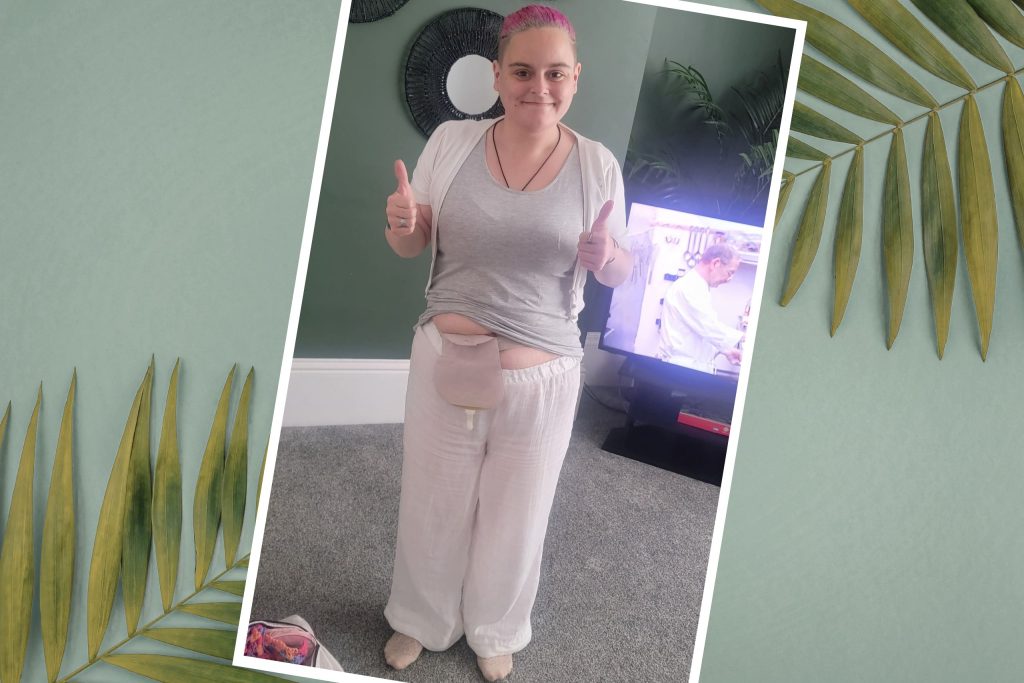
On 24 May 2022, at Glasgow Royal Infirmary, I underwent a 12-hour surgery to remove my bladder and create a urostomy. Due to severe scar tissue, my surgeries are often longer than expected. I later named my stoma Ariel, after The Little Mermaid.
Finding a community
When I was diagnosed with Fowler’s syndrome, I felt really scared and alone because it’s so rare. I didn’t know who to talk to, so I found support groups on Facebook, including a urology group and a Fowler’s group. Being able to talk to others going through the same thing and ask questions helped so much.
I was also incredibly lucky to have amazing support from my family and friends. When I made the decision to get a stoma, I was overwhelmed with fear, worrying about how I’d cope, what my partner Stephen would think, and if he’d still find me attractive. But I needn’t have worried – he’s been my rock and supported me every step of the way.
At first, I felt anxious even looking at my stoma, and the first time I saw it move, I panicked because no one had told me that could happen. For the first six weeks, I had constant leaks and had to change my bag multiple times a day, which made me question if I’d made the right decision. But my stoma nurse was amazing. She changed my bags to convex ones and gave me a stoma belt, and since then I’ve only had a handful of leaks.
Back home again
Coming home from hospital felt overwhelming. I worried about doing something wrong or not managing properly, but with help from Stephen, and others with stomas, I found a routine that worked for me. Taking things one day at a time and having that support made such a difference.
My health is still deteriorating because of kidney damage, and I know that eventually, I am facing dialysis (a transplant isn’t an option -my body isn’t strong enough). But my urostomy has given me freedom. After years of painful catheters and being mostly bedbound, I can now get out more, go on little walks, enjoy days out, and even go to the beach. It’s honestly given me my life back. I feel more confident in my body too – most people don’t even know I wear a bag. I enjoy crocheting and I write a blog; if I can help others feel less alone, that’s encouraging to me too.
Never give up
It’s taken time to adjust to the new me, but support from Stephen, my stoma nurse and online support groups helps if I’m feeling anxious. Joining the Urostomy Association has also helped massively, providing information no one else had given me.
Life with my stoma feels so much better. I am proud of, and grateful to, Ariel. Never give up, no matter how tough things may be, and be patient with yourself. You don’t have to face your struggles alone – as I have found, support is there when you need it.